

Living with a pet does not mean your home has to be covered in fur, muddy footprints, scattered toys, or water spills. Some mess is simply part of having an animal around, but many everyday problems can be reduced with a few thoughtful changes.
The key is not trying to clean your entire home every time your pet makes a mess. Instead, it is about understanding where mess usually happens and finding simple ways to prevent it from spreading.
Identify Where Mess Happens Most
Every home has certain areas that seem to collect more pet-related mess than others.
Your pet may leave fur on a favorite sofa, track dirt through the entrance after walks, spill water around their bowl, or carry toys into different rooms. Once you notice these patterns, you can focus your attention where it actually matters.
There is little benefit in constantly cleaning areas that rarely become dirty while ignoring the places your pet uses every day.
Create a Barrier Between Dirt and Your Home
One of the easiest ways to reduce mess is to stop it from spreading in the first place.
Mats near entrances can help catch dirt from paws before your pet walks further into the house. A washable surface underneath food and water bowls can also help contain spills.
These small barriers do not eliminate mess completely, but they can keep it concentrated in areas that are easier to clean.
Pay Attention to Paws After Outdoor Time
Outdoor walks can bring plenty of dirt back indoors, especially after rain or on muddy paths.
You do not necessarily need to give your pet a full cleaning after every trip outside. A quick paw check and simple wipe-down when needed can help prevent dirt from being carried across floors and furniture.
Keeping a towel or suitable cleaning item near the entrance can make this process easier because you will not have to search for supplies while your pet is waiting.
Make Feeding Areas Easier to Maintain
Food and water can create surprisingly frequent messes.
Some pets eat quickly, move their bowls, splash water, or leave food around their feeding area. Choosing a suitable location and placing the bowls on an easy-to-clean surface can help contain the problem.
It can also help to observe your pet during mealtimes. Their habits may reveal whether the issue comes from the bowl, the location, the amount of food, or simply the way they eat.
Manage Loose Fur Before It Spreads
Pet hair can quickly become a whole-home problem when it is left to accumulate.
Regular brushing appropriate for your pet’s coat can help manage loose fur before it ends up on furniture, bedding, clothing, and floors. The frequency will depend on your pet and their coat type.
It is also useful to identify your pet’s favorite resting areas. These locations may naturally collect more hair and can be cleaned more regularly than areas your pet rarely uses.
Give Toys a Home
Toys can become another source of clutter, particularly when pets carry them from one room to another.
Rather than constantly picking up individual toys throughout the day, keep a designated place for them. This makes it easier to return everything to one location when playtime is finished.
You can also keep only some toys available at a time and rotate others occasionally. This reduces clutter while still giving your pet variety.
Choose Easy-to-Clean Resting Areas
Where your pet sleeps can have a major effect on how much cleaning you need to do.
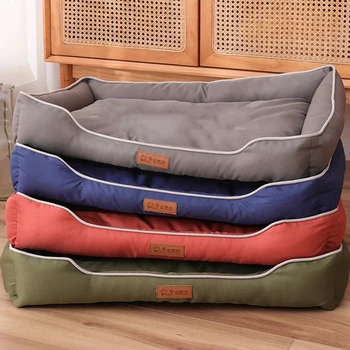
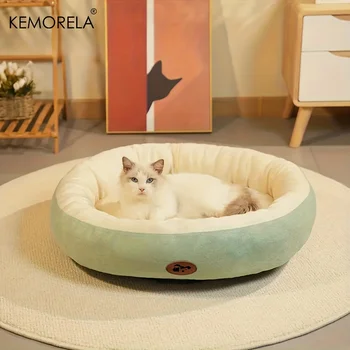
A resting surface that can be removed, washed, or wiped down is generally easier to maintain than something difficult to clean. This is particularly useful for pets that spend several hours in the same place each day.
Regularly checking the condition of your pet’s sleeping area can also help prevent fur, dirt, and odors from building up.
Deal With Spills Quickly
Water spills may seem insignificant, but repeated moisture around the same area can become frustrating to manage.
If your pet frequently spills their water, consider whether the bowl’s size, shape, or position is contributing to the problem. A suitable mat beneath it can also help keep moisture contained.
Addressing the reason behind a recurring spill is often more effective than simply wiping the same area repeatedly.
Don’t Try to Eliminate Every Mess
A completely mess-free home may not be realistic when you have pets.
Instead of expecting perfection, focus on controlling the mess that has the biggest impact on your home. A little fur on a favorite blanket or a few toys on the floor is not necessarily a problem.
The goal is to keep everyday mess manageable without turning cleaning into a constant responsibility.
Use Prevention Instead of Constant Cleaning
There is a major difference between cleaning a mess after it spreads and preventing it from spreading in the first place.
A mat can catch dirt. A washable cover can protect furniture. A suitable grooming routine can reduce loose fur. A designated feeding area can contain food and water spills.
These solutions may seem small individually, but together they can reduce the amount of cleaning required throughout the week.
Make Cleanup Fit Into Your Day
Pet mess is easier to manage when cleanup does not feel like a separate major task.
A quick wipe after a spill, removing loose fur from a resting area, or putting toys away after playtime can take very little effort when done regularly.
You do not need to spend hours cleaning every day. Small actions performed at the right time can prevent minor problems from becoming larger ones.
A Cleaner Home Starts With Your Pet’s Habits
The most effective approach to managing pet mess is not about constantly cleaning more. It is about understanding how your pet uses your home.
Look at where they sleep, eat, play, enter the house, and spend most of their time. Then make those areas easier to maintain.
When your home’s setup works with your pet’s natural habits, keeping things clean becomes less about chasing mess around the house and more about preventing it from spreading.
Explore our product collection for practical pet essentials that can help make everyday mess easier to manage.


0 Comments